


Rural Tourism: Why Are Families Seeking Experiences Connected to Country Life?
For many children, seeing an animal up close, exploring a vegetable garden or discovering how food reaches the table can be completely new. For adults, these same experiences may bring back memories of childhood, their grandparents’ home or a routine closer to nature.
This meeting of discovery and memory is precisely where rural tourism finds its place in family travel.
The experience can bring together nature, animals, food, local culture and country traditions. Today, it is also possible to combine this connection to the countryside with comprehensive accommodation and leisure facilities.
A trip can therefore alternate simple moments, such as walking through green spaces, with experiences that appeal to different generations.
1. What is rural tourism?
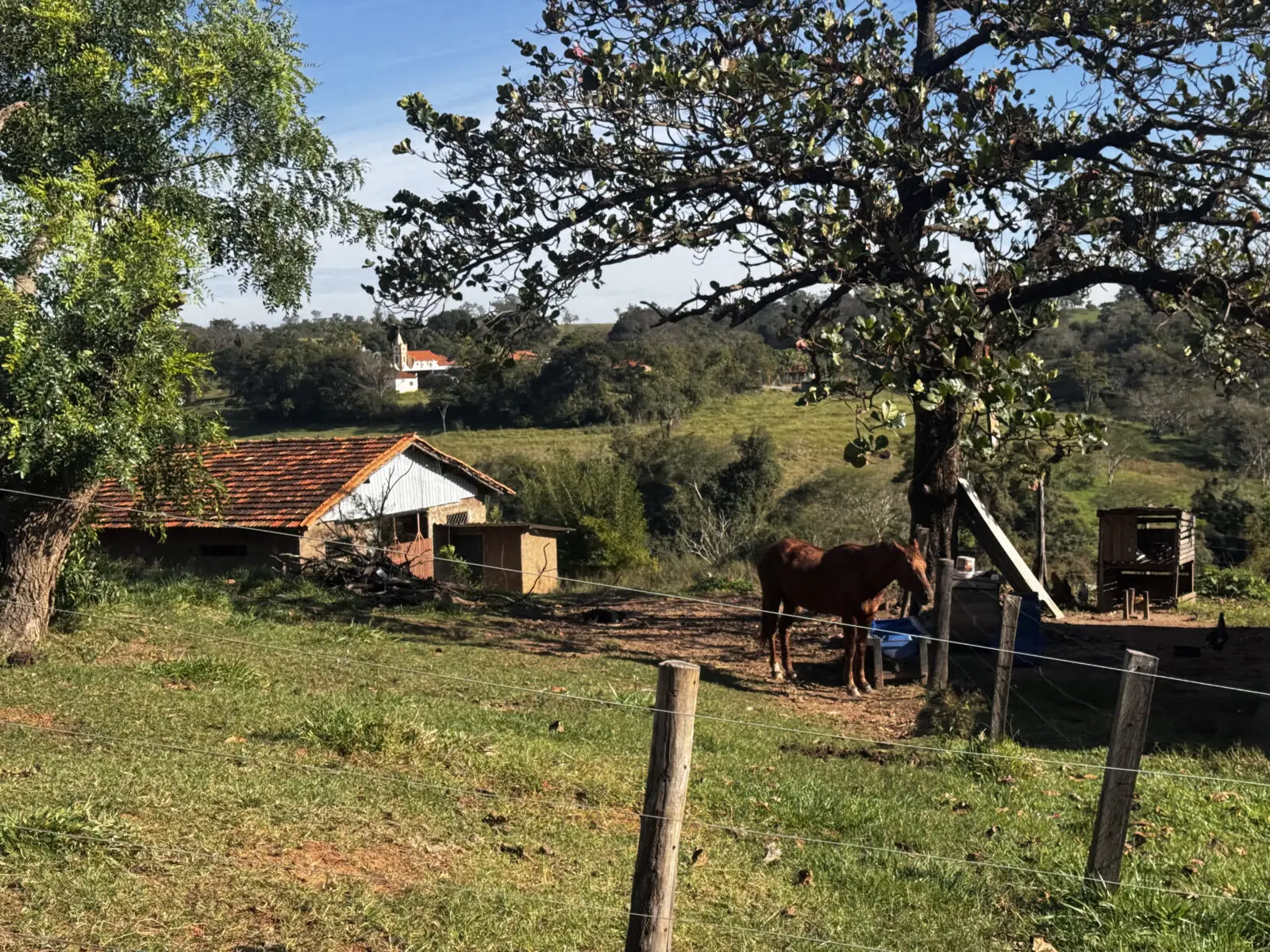
Rural tourism is a way of travelling that connects visitors with the countryside, nature and the ways of life of rural communities.
The experience may involve elements such as:
- Animals;
- Vegetable gardens and crops;
- Regional cuisine;
- Farms;
- Food production;
- Local stories;
- Family traditions;
- Natural landscapes;
- Activities linked to everyday country life.
However, rural tourism does not necessarily mean giving up comfort.
Today, these experiences can take place on rural properties, at guesthouses and farm hotels, and even at resorts that incorporate country life into their accommodation experience.
2. Why does rural tourism appeal to families?
For many families, a trip is also an opportunity for a change of pace.
In everyday life, especially in urban settings, children and adults deal with schedules, traffic, commitments and long periods in front of screens. Spending time among trees, animals and open spaces therefore offers something different from their usual routine.
The countryside also offers simple experiences that can spark plenty of curiosity.
Watching a horse, discovering a crop or learning about a traditional way of preparing food can become a memorable part of a holiday.
Rural tourism does not necessarily need major attractions to create memories.
3. Are children less connected to country life?
Not all children are. However, many who grow up in cities have few opportunities for direct contact with everyday rural life.
They may learn about farm animals, vegetable gardens, crops and different ways of producing food mainly through books, videos or school activities.
A trip to the countryside therefore offers a chance to turn something abstract into a real experience.
A vegetable garden becomes more than a picture. A horse can be seen up close. In the same way, everyday foods start to have a story behind them.
4. Can rural tourism also be educational?
Yes, but this does not mean turning a holiday into a classroom.
One of the interesting aspects of rural tourism is the chance to learn through experience.
Visiting a vegetable garden, for example, can help a child understand where certain foods come from. Encounters with animals can prompt conversations about care, nature and the environment.
Stories shared by local residents or relatives also introduce different ways of life.
Learning happens naturally, as a result of curiosity.
5. Why are encounters with animals so memorable?
Animals are among the things that most capture children’s attention during rural experiences.
For anyone unfamiliar with this world in everyday life, meeting horses and other animals can be a discovery.
The experience also offers an opportunity to talk about respect, care and living alongside other species.
At Terra Parque Eco Resort in Pirapozinho, in the countryside of São Paulo state, Brazil, visitors can make this connection in spaces such as the Fazendinha and horse farm.
Here, the rural setting becomes part of the trip and complements the resort’s other experiences.
6. Can a vegetable garden become a tourist attraction?
Yes, especially when something ordinary for one person is new to another.
A vegetable garden brings visitors closer to how crops are grown and where food comes from.
For a child, watching things grow from the soil can prompt simple questions: how does it grow? How long does it take? Where did the food on my plate come from?
Experiences like these also show that the countryside is more than a beautiful landscape. It is directly connected to food and everyday life in cities.
At Terra Parque, the vegetable garden is part of this collection of experiences connected to country life.
7. Is food also part of rural tourism?
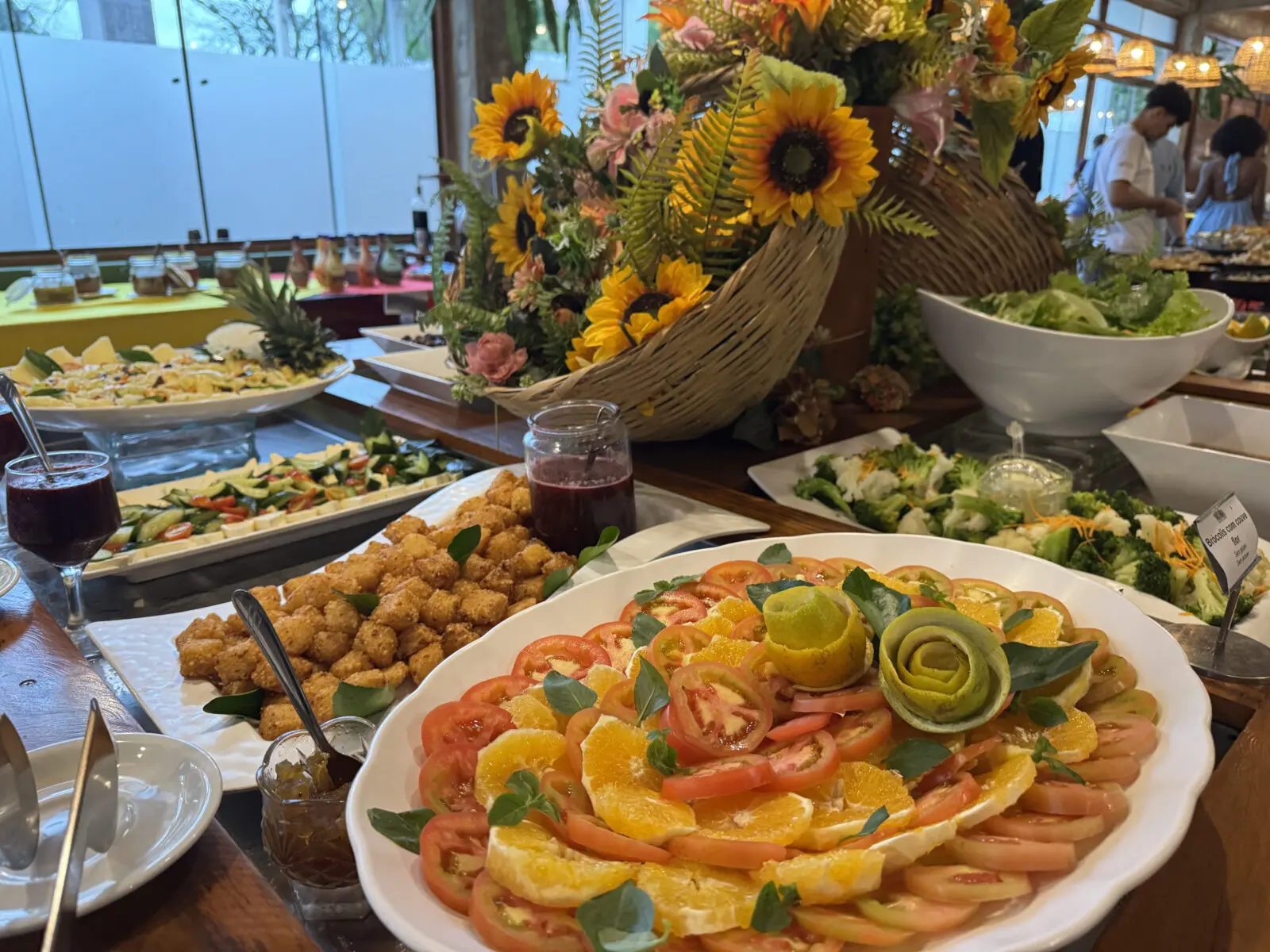
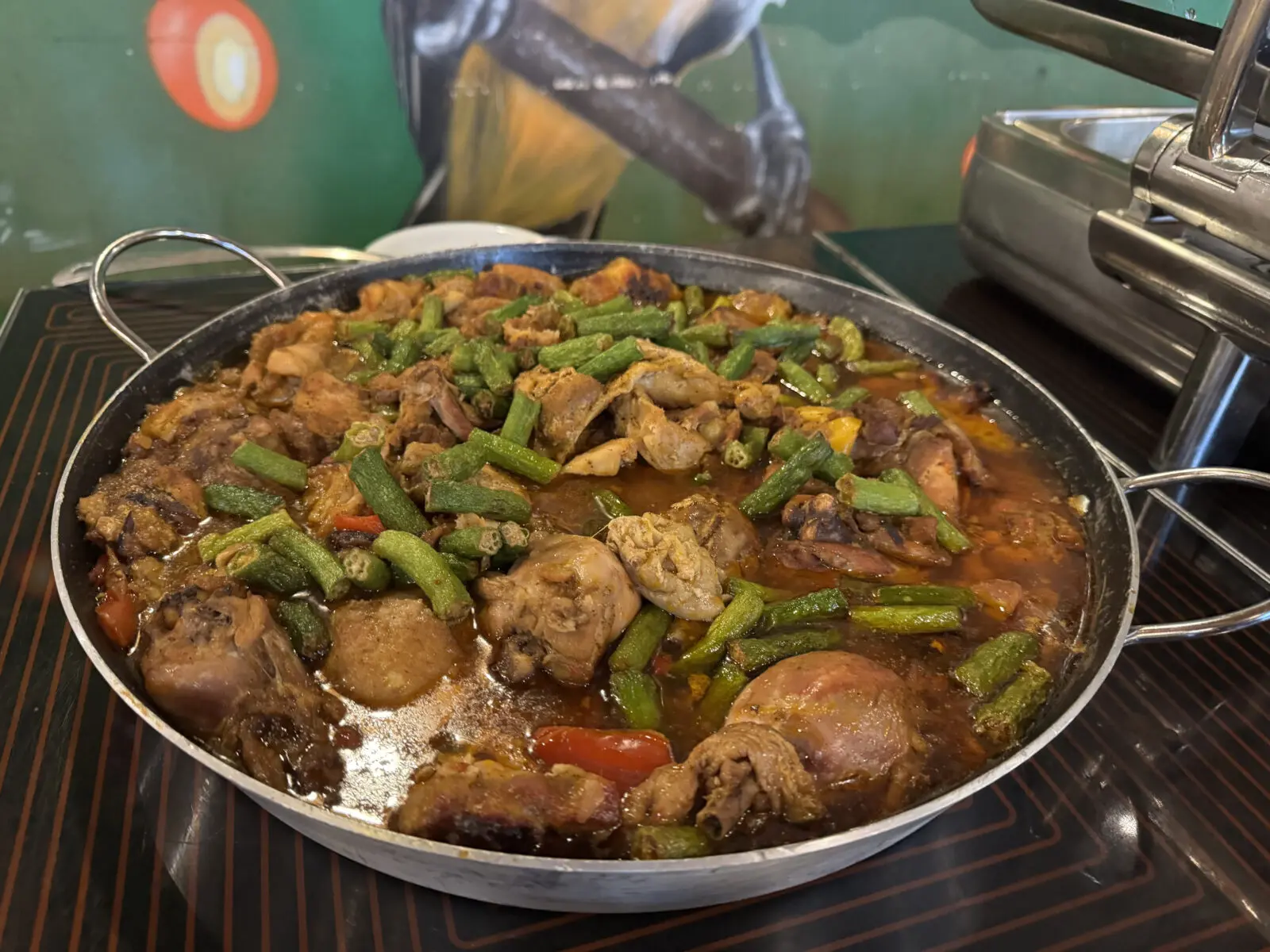
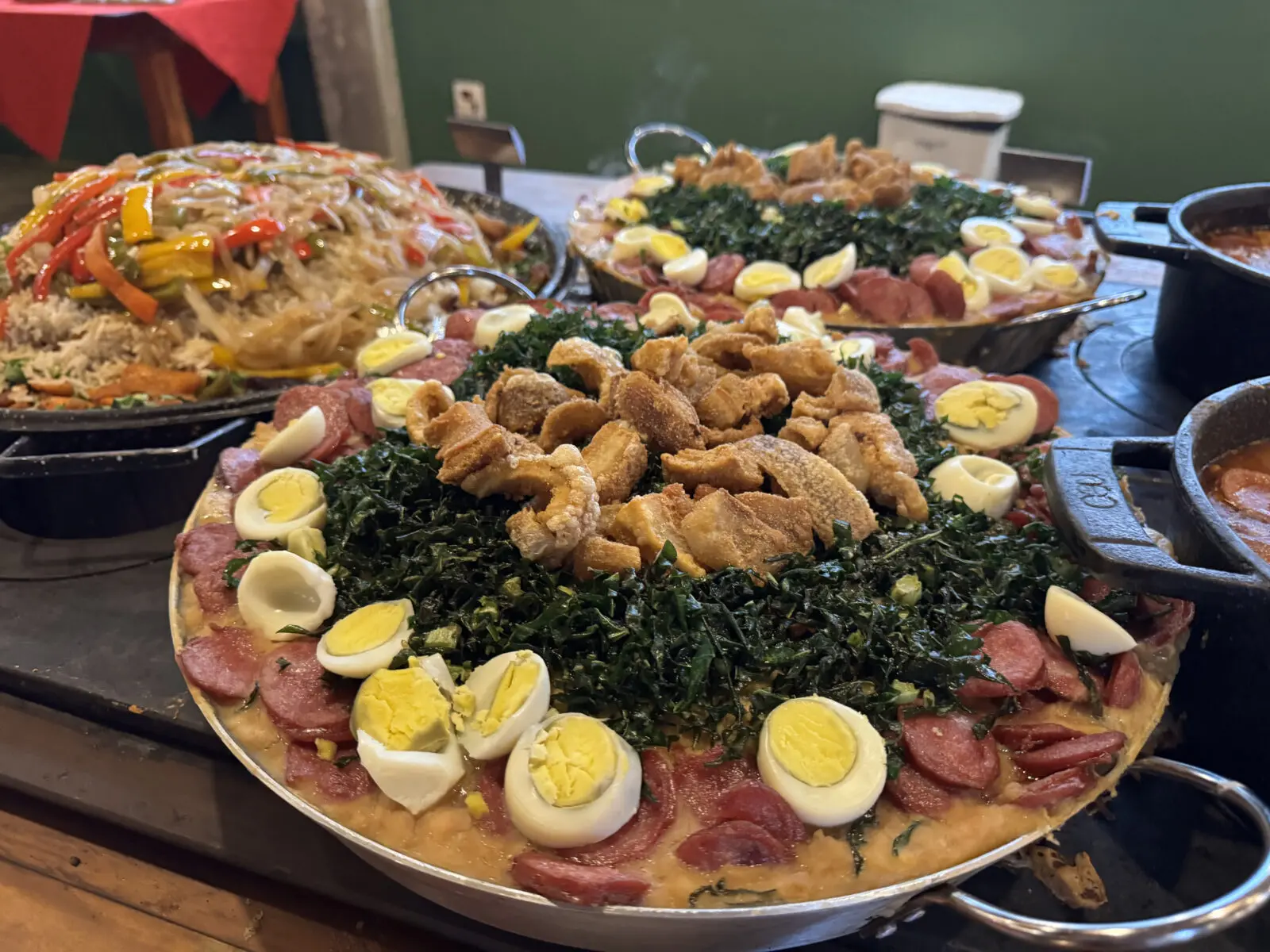
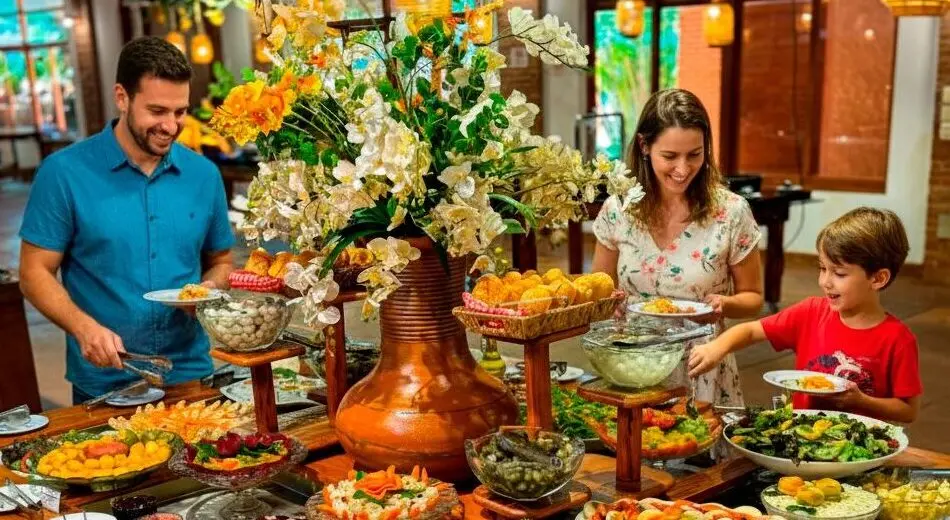
Yes. Getting to know a region also means discovering its flavours.
Family recipes, local ingredients, cooking methods and culinary traditions help tell a community’s story.
Rural cuisine can therefore be more than a meal during the trip. It can become an experience in its own right.
In the São Paulo countryside, coffee, barbecue, traditional cooking and recipes passed down through generations are part of this connection between food, place and memory.
8. Does rural tourism also bring back memories for adults?
Yes, and this may be one of the most interesting features of this kind of trip.
While a child discovers something new, an adult often recognises something familiar.
An old tool, a piece of furniture, a recipe or even a smell can bring back memories of childhood homes or relatives who lived differently.
At Terra Parque, Casinha do Sr. Pepe helps bring these experiences together.
The space brings together objects and reminders of country life and family history. Something that seems new to a child may therefore be a memory for parents and grandparents.
9. Does rural tourism mean giving up comfort?
Not necessarily.
Today, nature and tourism facilities can be part of the same trip.
A destination can offer animals, a vegetable garden and rural experiences alongside swimming pools, restaurants, organised recreation and well-equipped accommodation.
This combination is behind concepts such as the farm resort.
At Terra Parque, for example, country-life experiences sit alongside a water park, dining, organised activities and themed attractions.
Families do not necessarily have to choose between a countryside holiday and a resort holiday.
10. Are farm hotels, visitor farms and farm resorts the same thing?
The concepts can overlap, but they have different characteristics.
A farm open to visitors may maintain a direct connection to agricultural production and everyday rural routines.
A farm hotel combines accommodation and leisure with country-life experiences.
A farm resort, in turn, tends to add a wider range of entertainment, dining and services.
However, there is no strict distinction that applies to every property. Before booking, it is important to check which experiences are actually part of the stay.
11. What is the rural experience like at Terra Parque?
At Terra Parque, different spaces help bring the Resort Fazenda do Vulcão concept to life.
Among them are:
- Fazendinha;
- Horse farm;
- Vegetable garden;
- Casinha do Sr. Pepe;
- Culinary experiences;
- Coffee;
- Terra Costelaria;
- Green spaces.
The facilities also include swimming pools, organised recreation, sports, games and themed attractions.
Visitors can therefore enjoy different sides of the trip without having to choose just one.
12. Can the rural experience continue beyond the property?
Yes, and this connection with the surrounding area makes the experience even more interesting.
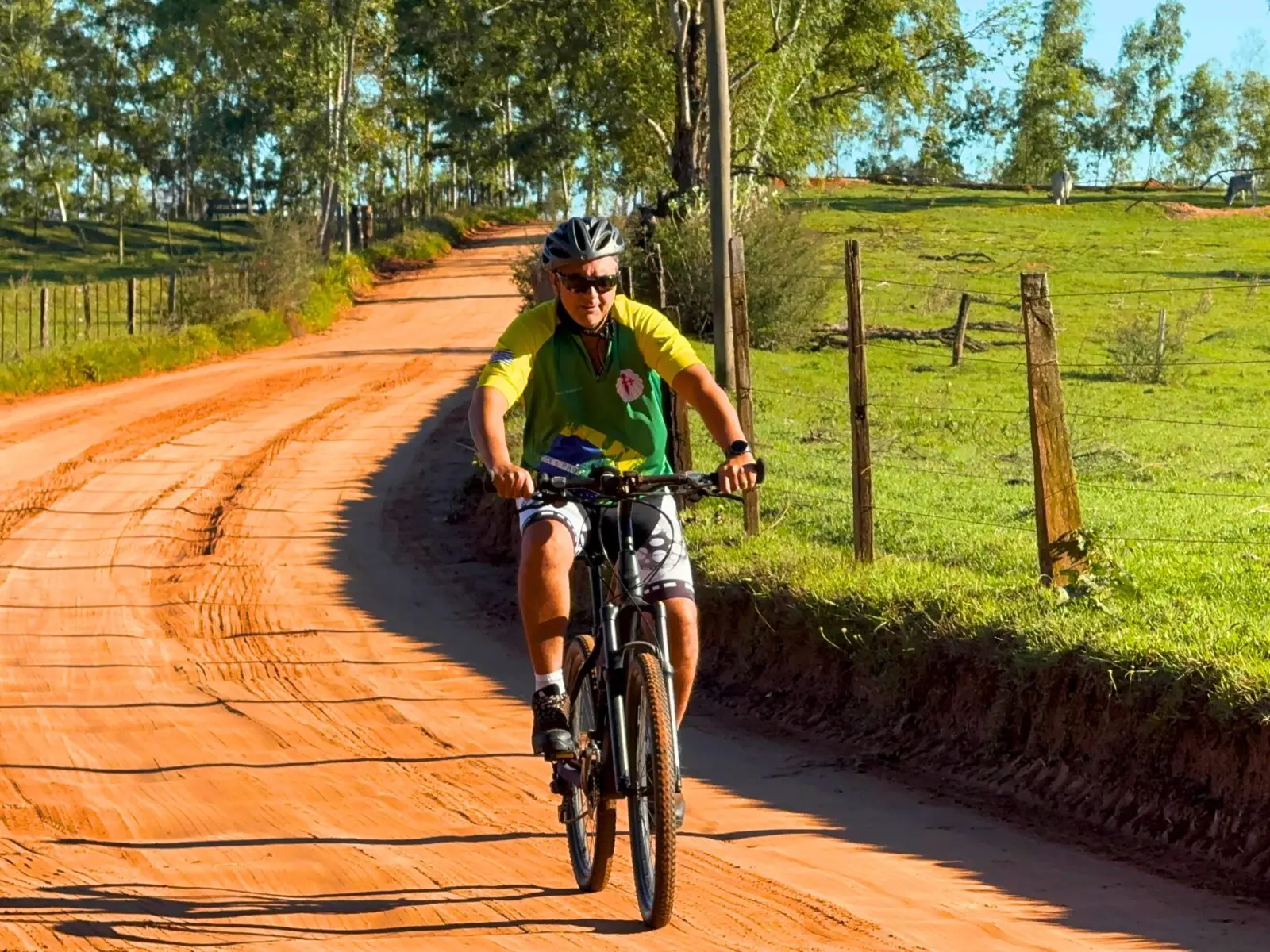
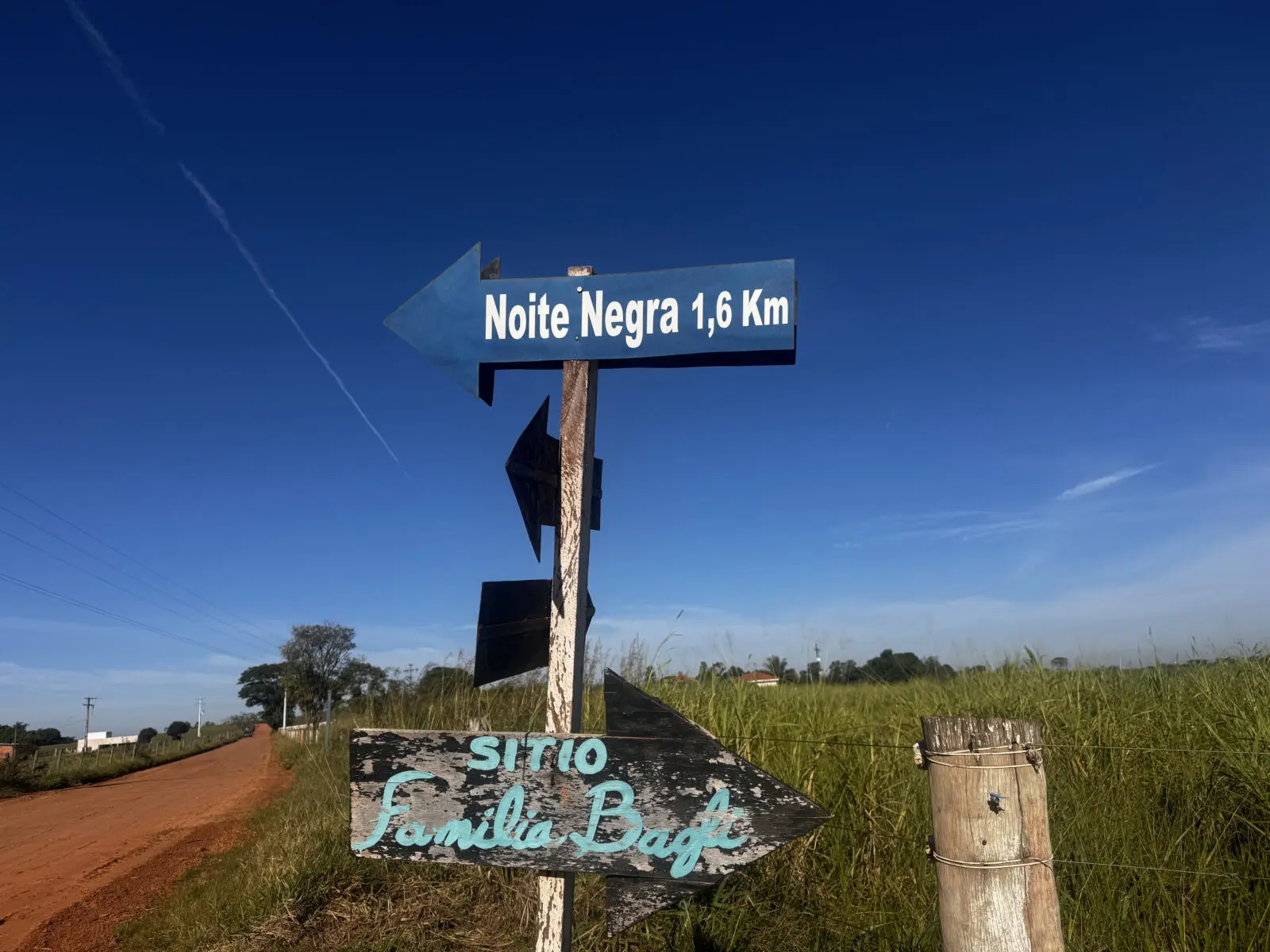
Terra Parque is in the rural neighbourhood of Noite Negra, where landscapes, residents, stories and local activities reveal another side of the São Paulo countryside.
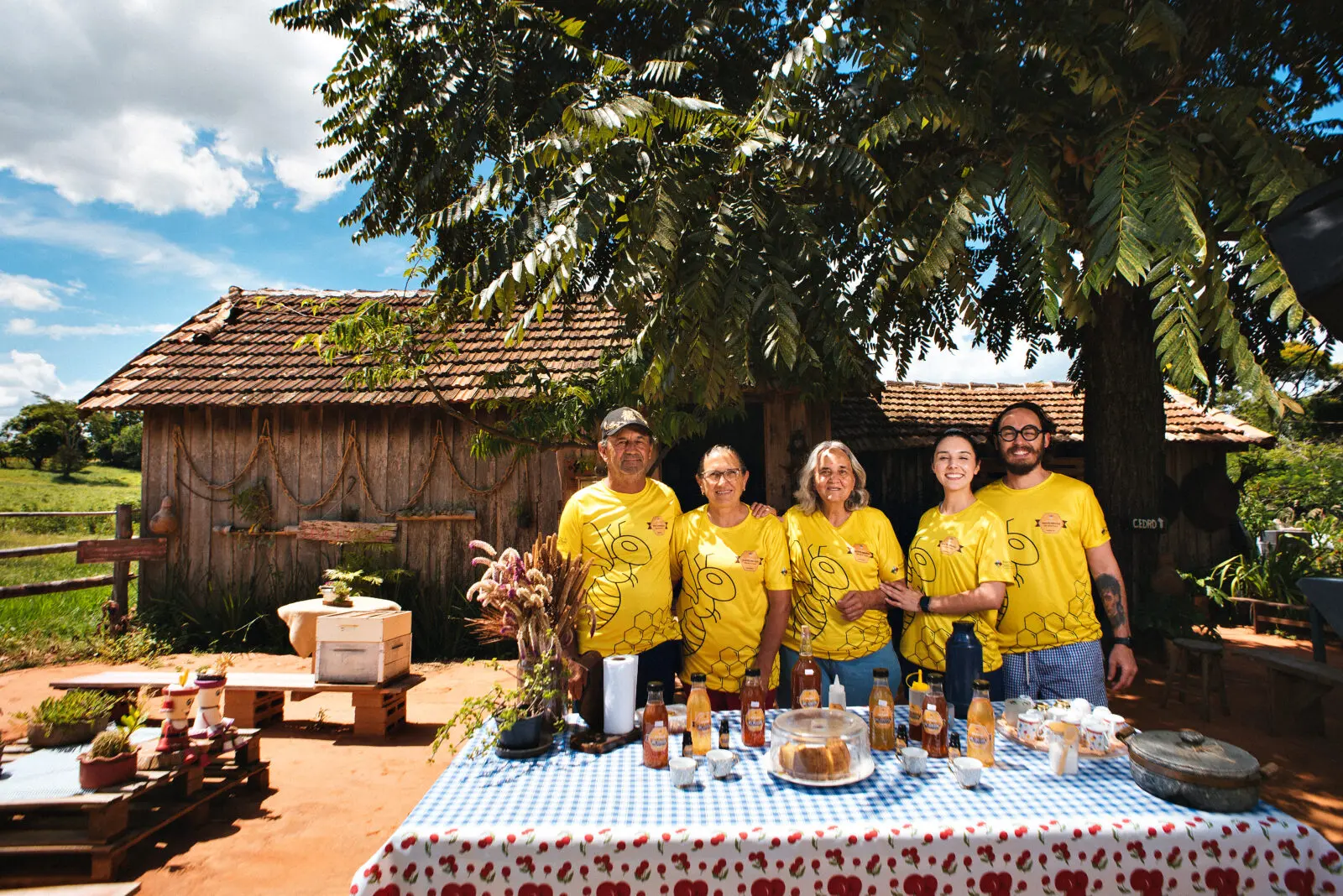
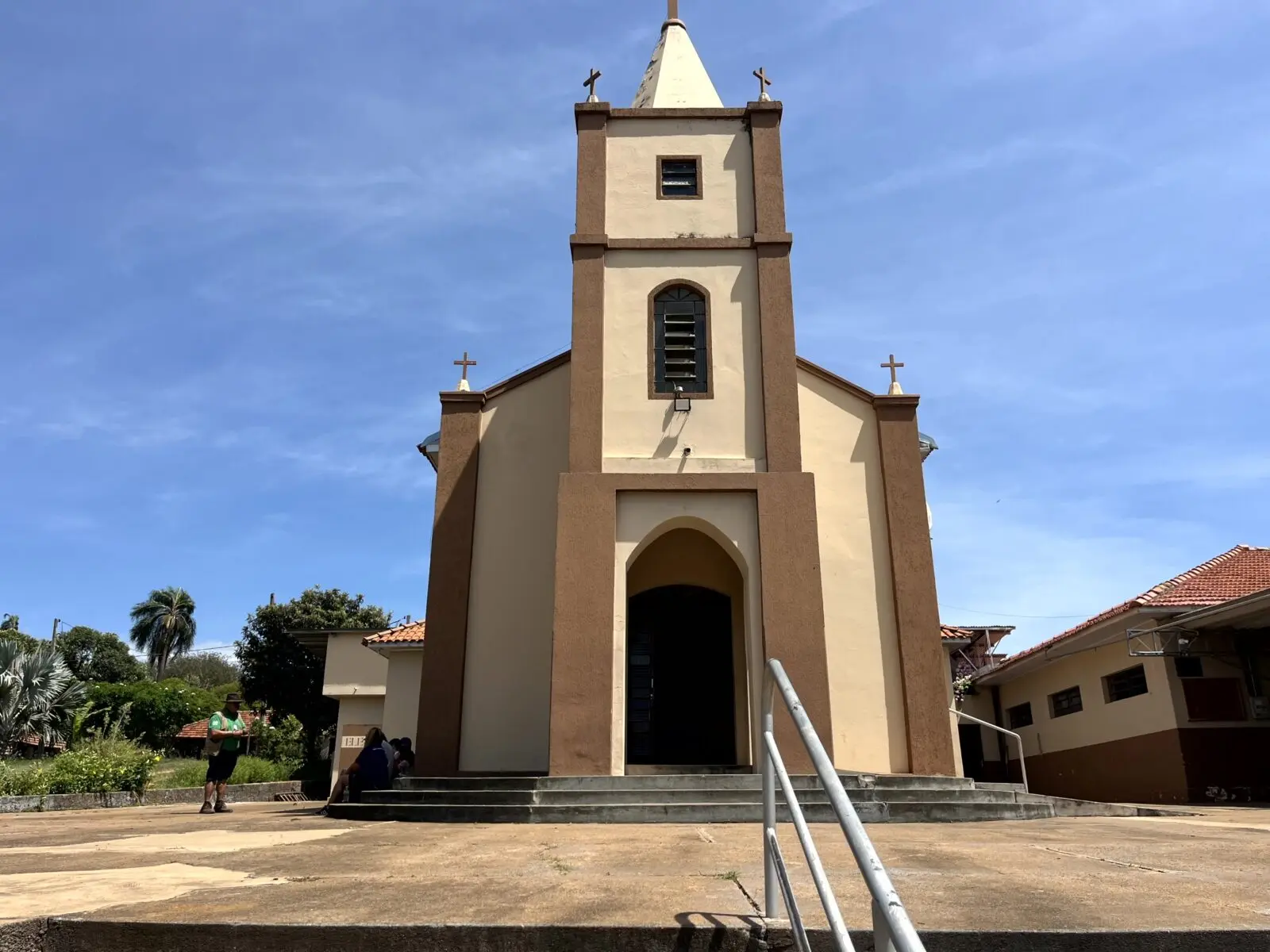
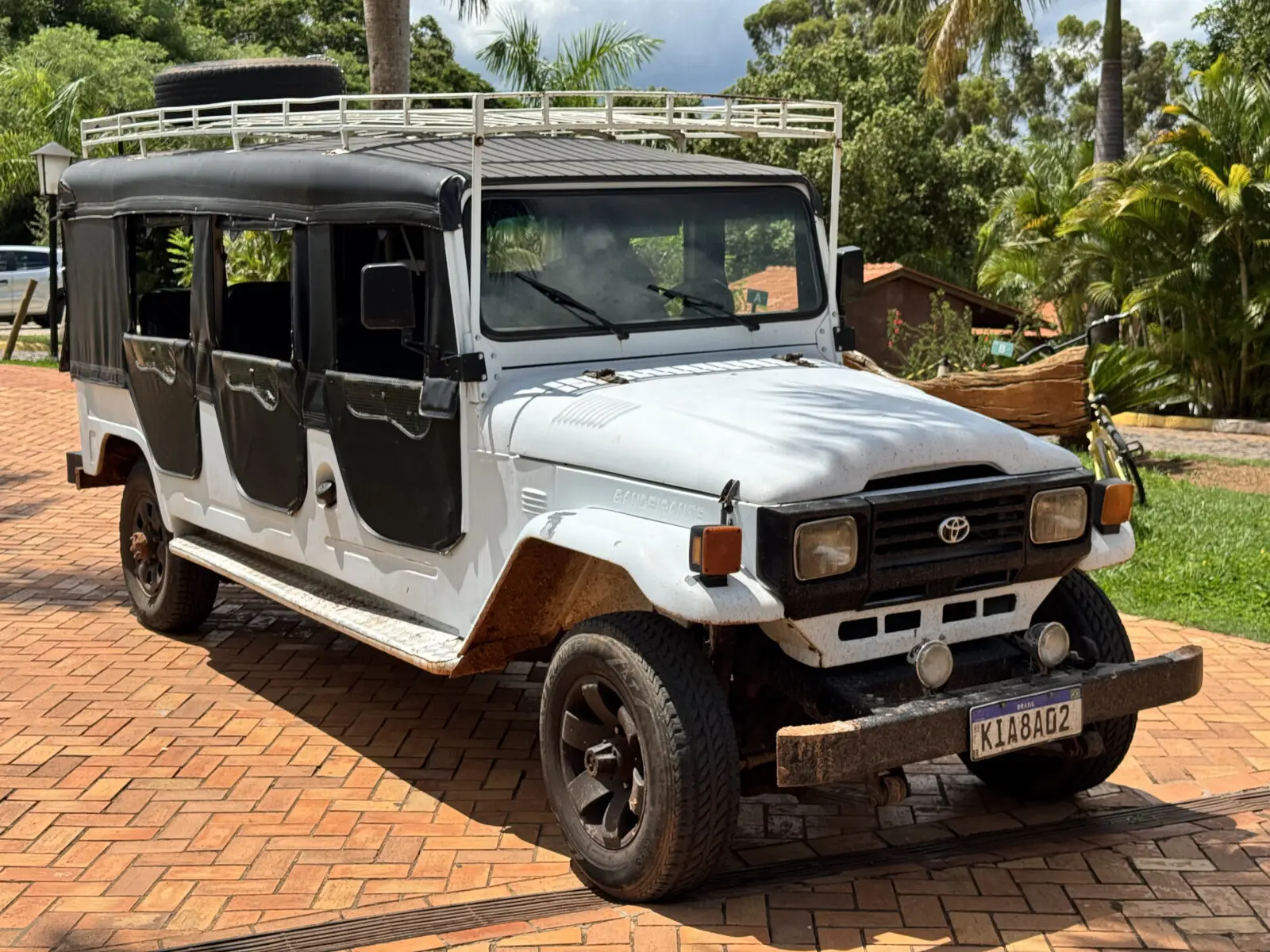
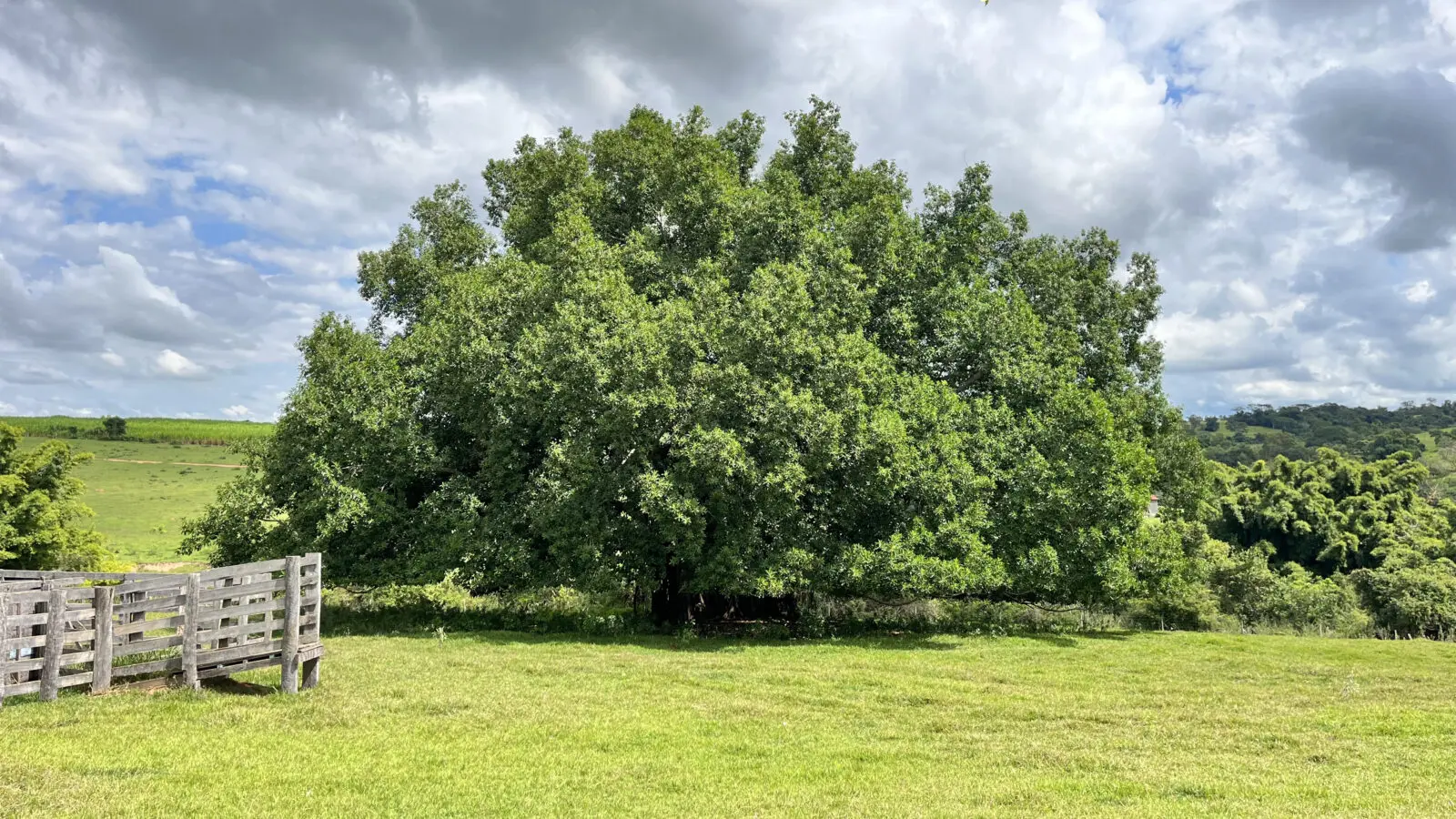
On the Jardineira tour, visitors can discover different places in the area, such as Capela Santo Antônio, the waterfall, the apiary and Árvore dos Desejos, as well as other aspects of the community.
Rural tourism therefore extends beyond the boundaries of the property.
13. Why does visiting a rural community make a trip more rewarding?
Because visitors get to know a place beyond a single tourist attraction.
A community has stories, people, customs, landscapes and activities shaped over time.
When these become part of the travel experience, visitors begin to understand their surroundings a little better.
Introducing local producers, stories and places of interest can also help raise the region’s profile.
In this way, tourism can act as a bridge between visitors and the community.
14. Does rural tourism suit families travelling with different generations?
Yes. These experiences can mean different things at different ages.
For children, animals, vegetable gardens and nature can be discoveries.
For teenagers, the trip can combine rural experiences with sports, leisure and group activities.
For parents and grandparents, food, landscapes and reminders of country life can inspire other kinds of connection.
Rural tourism can therefore work particularly well for multigenerational trips.
Everyone notices something different, while sharing the same experience.
15. Can you combine rural tourism with swimming pools and fun?
Yes.
In fact, this combination can make each day of the same trip quite different.
At Terra Parque, for example, a family can start the day visiting the Fazendinha, spend the afternoon at the water park and enjoy a resort attraction in the evening.
The next day, the programme can be completely different.
This variety allows country life to be part of the trip without making it the only experience available.
16. Can rural tourism help children spend less time on screens?
It can offer appealing alternatives.
The aim does not have to be turning a holiday into a battle against phones, video games or other devices.
Instead, engaging experiences can naturally capture their attention.
Animals, water, nature, play, sports and discoveries offer different kinds of stimulation from the digital world.
Screens are then no longer the only option, without the trip needing to focus on banning them.
17. How do you choose a rural tourism experience in São Paulo?
Before booking, check what the destination actually offers.
A few questions can help:
- Are there authentic rural experiences?
- Are there opportunities to connect with nature?
- Does the property have animals?
- Are there activities for children?
- What dining options are available?
- Are there facilities for different ages?
- Which experiences are included?
- Are any activities charged separately?
- Does the destination also offer options for adults?
- How easy is it to get there?
It is also worth considering whether the experience connects with the local culture and surroundings.
This helps distinguish a rural theme from a trip offering a closer connection to country life.
18. Where can you find rural tourism in the São Paulo countryside?
The São Paulo countryside offers destinations connected with farming, nature, food, culture and rural traditions.
In western São Paulo state, these experiences can also be found at properties, communities and destinations that reveal different aspects of the region.
Terra Parque, for example, is in Pirapozinho, near Presidente Prudente, and combines rural experiences with resort facilities.
Its location in the Noite Negra neighbourhood also offers a closer connection with the surrounding area.
19. Why can a simple experience become a lasting memory?
Perhaps because something ordinary for one generation can be a discovery for another.
For a child, seeing a horse up close, touching the soil or understanding where food comes from can be an adventure.
For parents and grandparents, the same scene can bring back memories of a different childhood.
This meeting of discovery and memory is precisely what makes rural tourism so meaningful for family travel.
At Resort Fazenda do Vulcão, nature, country life, food and entertainment come together in one experience. Each generation can find its own way to connect with the countryside.
Perhaps that is the value of rural tourism: turning simple things into stories a family takes home.
Frequently asked questions about rural tourism
What is rural tourism?
It is a form of tourism connected to the countryside, nature, food, animals, culture and rural ways of life.
Is rural tourism suitable for children?
Yes. Encounters with animals, vegetable gardens, nature and hands-on experiences can offer new discoveries for younger visitors.
Where can you experience rural tourism in São Paulo?
The São Paulo countryside has a variety of rural destinations. Western São Paulo state also offers experiences connected with nature, food and country life.
Is rural tourism the same as a farm hotel?
Not necessarily. Rural tourism is a broader concept that can include farm hotels, rural properties, communities, guesthouses and farm resorts.
Does Terra Parque offer rural tourism experiences?
Yes. The resort brings together the Fazendinha, horse farm, vegetable garden, dining, reminders of country life and experiences linked to the rural neighbourhood of Noite Negra.
Can you combine rural tourism with swimming pools?
Yes. A destination can offer country-life experiences alongside comprehensive leisure facilities.
Is rural tourism a good choice for a trip with grandparents?
It can be particularly rewarding for multigenerational trips, as some experiences spark discoveries for children and memories for adults.
What can children do on a countryside trip?
Meeting animals, exploring a vegetable garden, discovering nature, tasting regional food and taking part in age-appropriate activities are some of the options.
About Terra Parque
Terra Parque Eco Resort is located in the countryside of São Paulo, just 10 minutes from Presidente Prudente Airport. In addition, the resort features a green area of over 324,000 square meters and more than 201 air-conditioned apartments designed to provide comfort and convenience. The resort offers an impressive water complex, including 11 pools, 7 waterslides, a hot tub, a bubbling pool, heated pools, and a safe and climate-controlled children’s water playground. Therefore, if you would like to experience everything Terra Parque Eco Resort has to offer, visit the website terraparque.com or contact us via WhatsApp (18) 99730-1085. Come discover why Terra Parque is the right choice for so many people as their destination for leisure and relaxation.
Also read
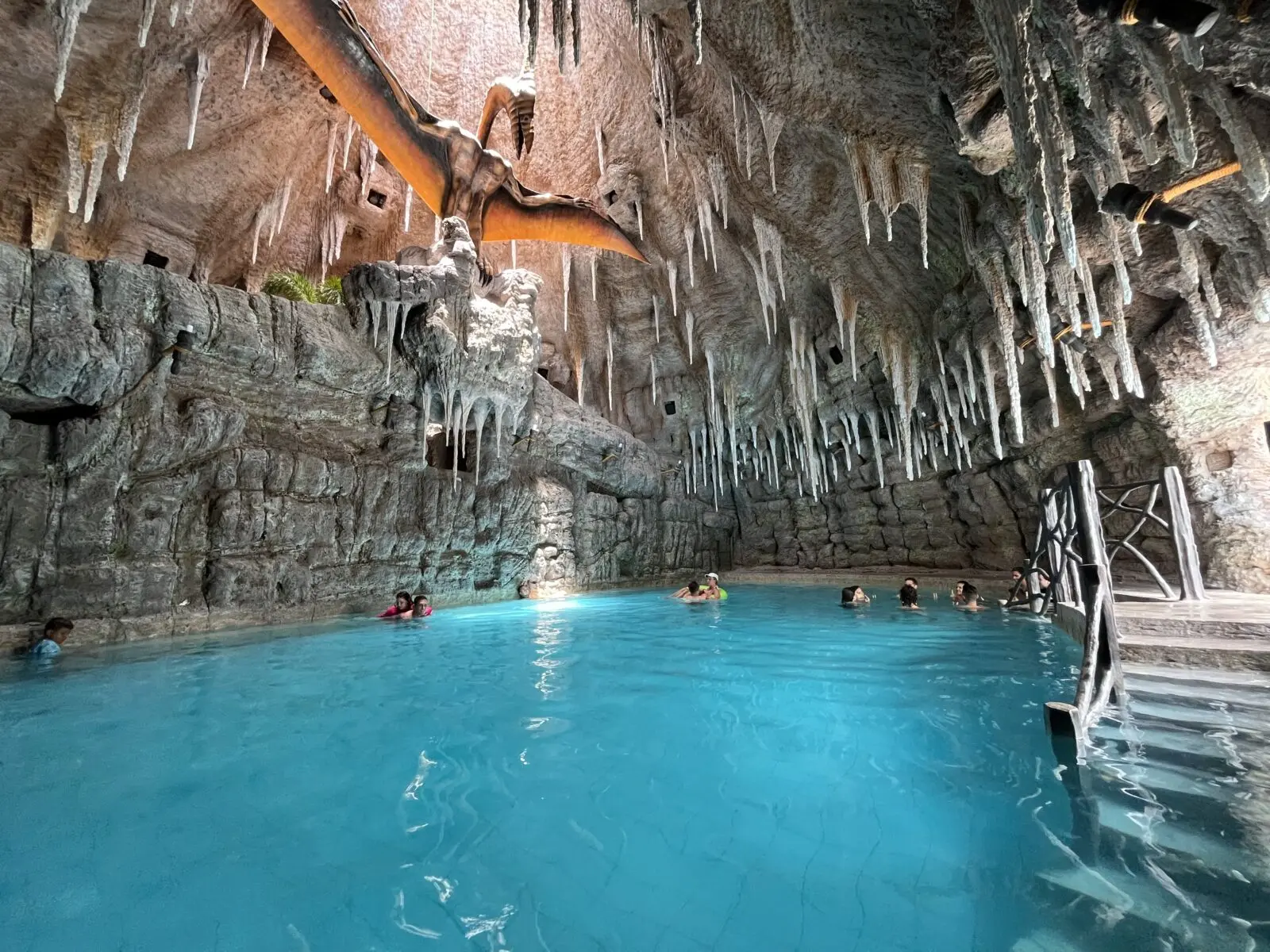
Planeje as férias de verão no interior de São Paulo com piscinas, aventuras, gastronomia e experiências para diferentes idades no Resort Fazenda do Vulcão.

Leave a comment below